

KITCHEN WITHOUT BORDERS
Hero ingredients
Saltbush
Quandong
Wattleseed
Boab
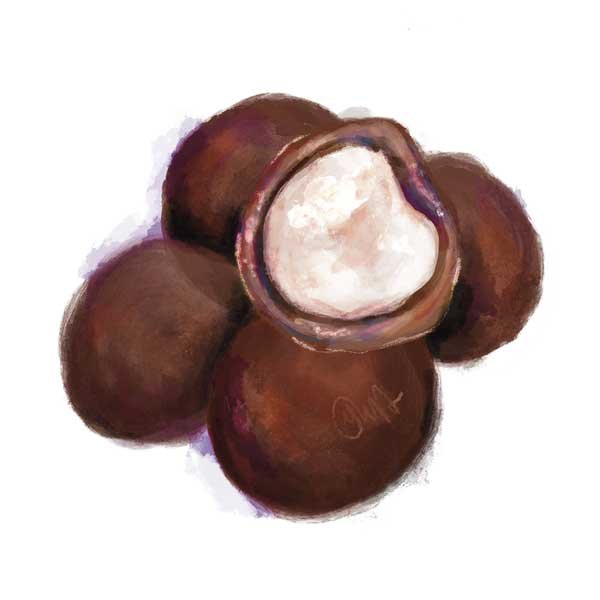
Sandalwood Nut
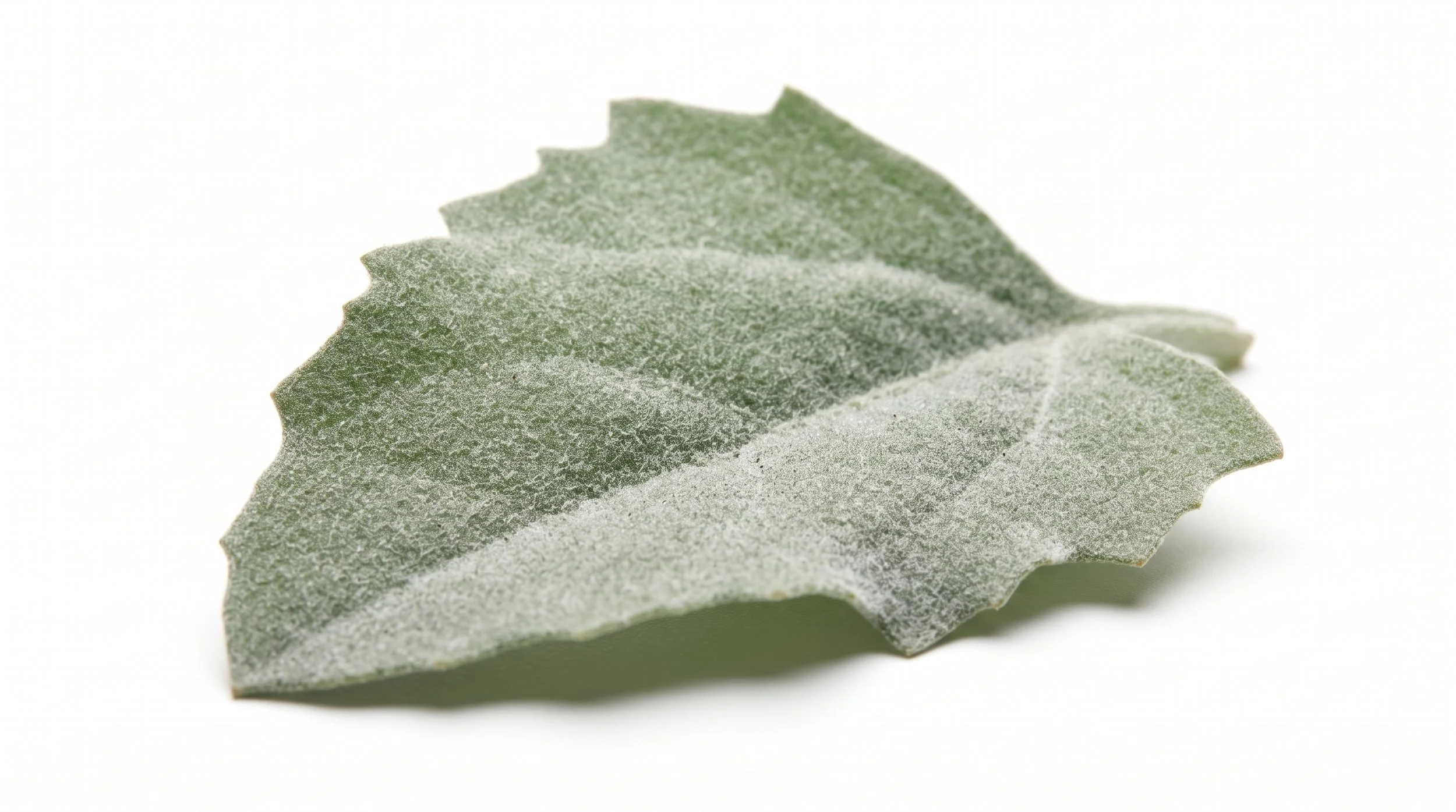
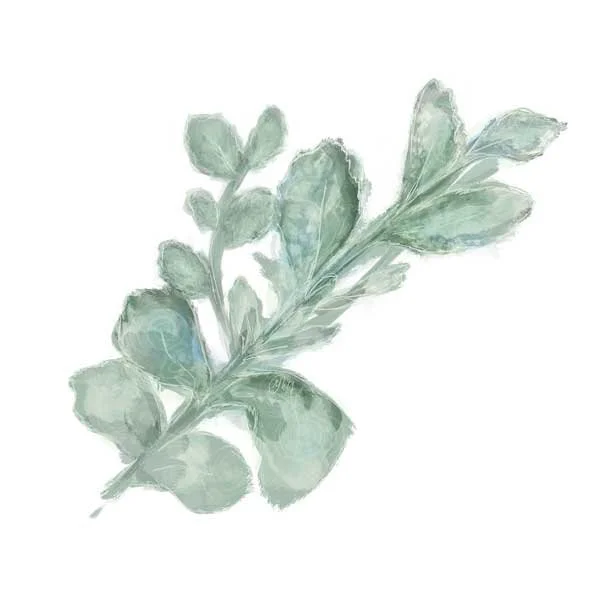
Saltbush
Atriplex nummularia and related species
Cultural information: A hardy, silvery-grey shrub found across the arid and semi-arid country of Western Australia and beyond, saltbush has been gathered by Aboriginal peoples for both food and medicine for generations. Seeds were traditionally ground and baked into damper, while the leaves were used medicinally — soaked in water and applied to skin sores, burns and wounds.
Flavour profile: Herbaceous, salty and slightly earthy — a natural seasoning that works as a direct substitute for table salt, with a soft umami quality.
Traditional and contemporary uses: Traditionally, seeds were roasted and ground for damper, and leaf ash was used in place of raising agents. Today the dried, ground leaves season meat, fish and vegetables, flavour breads and crackers, and appear in dukkah, infused oils and even craft beer and spirits. Fresh leaves are used in salads, stir-fries and as a wrap for grilling.
Nutritional highlights: A good source of plant protein, calcium, magnesium and zinc, saltbush is also rich in antioxidants — offering the flavour of salt with added nutritional value rather than empty sodium.
Explore more: Quandong | Boab | Wattleseed | Sandalwood Nut
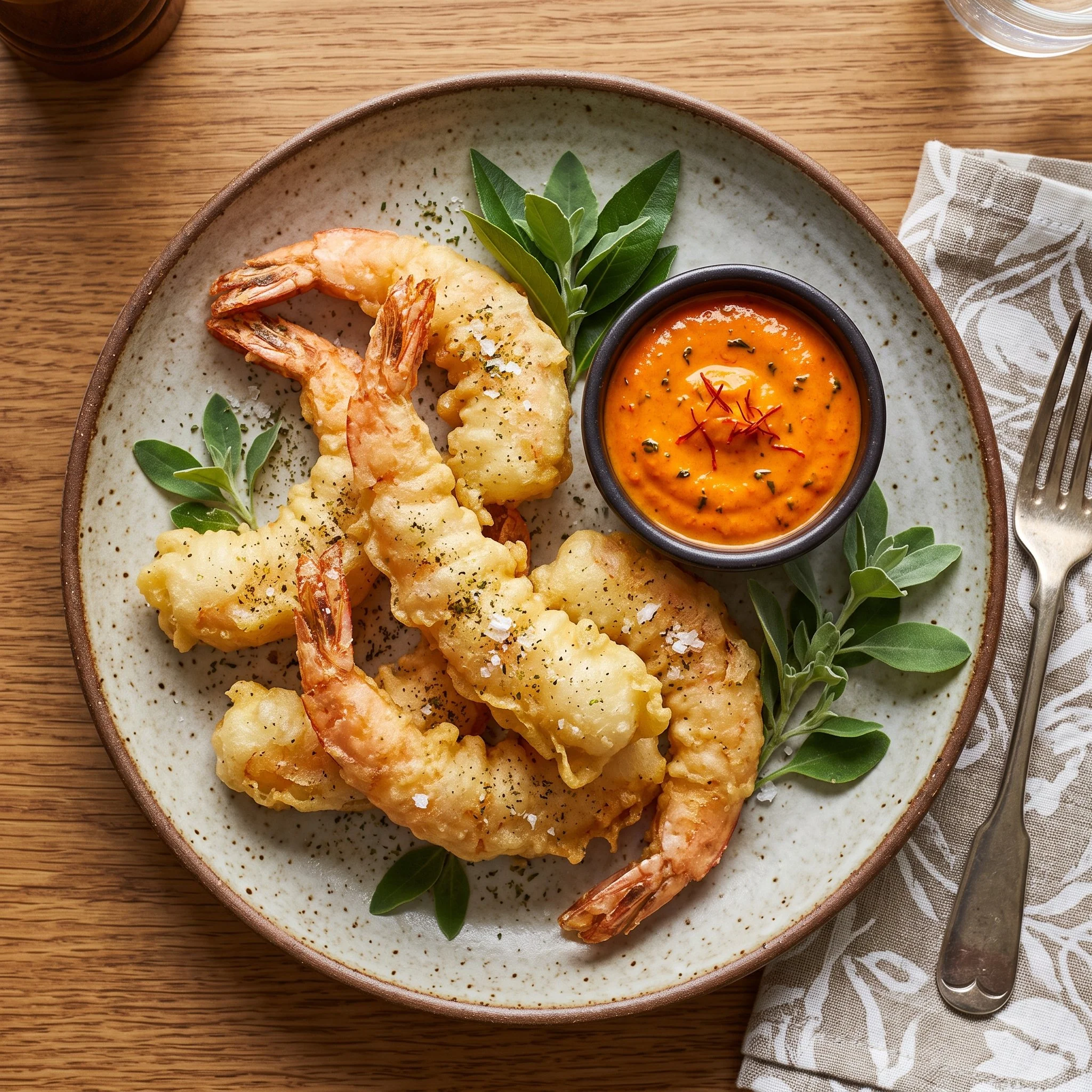
Saltbush Tempura Prawns with Sauce Rouille
Crisp saltbush-seasoned tempura prawns served with a saffron and native anise myrtle sauce rouille — a native-Australian take on a French classic, ideal as a canapé.
-
40 prawns, peeled and deveined
2 large eggs
270 grams self-raising flour, sifted
67 grams plain flour, for dusting
500 millilitres ice water
2 tablespoons saltbush & vinegar seasoning
1.5 litres neutral oil, for deep-frying
6 garlic cloves, chopped
2 capsicums, deseeded and diced
270 grams large potato, peeled and diced
3 grams anise myrtle
2 grams saffron threads
10 grams paprika
20 grams tomato paste
300 millilitres fish stock
2 egg yolks
250 millilitres good-quality neutral oil (for rouille)
1 pinch salt
-
Prep the prawns: Peel and devein 40 prawns, peeled and deveined, pat dry and set aside in the fridge until needed.
Make the tempura batter: Whisk 2 large eggs in a bowl with 500 milliliters ice water. Stir in the sifted 270 grams self-raising flour, sifted. Keep the batter over ice — it should stay cold until you're ready to fry.
Fry the prawns: Lightly toss the prawns in 67 grams plain flour, for dusting, then dip in the tempura batter. Fry in 1.5 liters neutral oil, for deep-frying in small batches — don't overload the fryer, or the oil temperature will drop and the batter will turn greasy rather than crisp.
Season while hot: Drain the fried prawns briefly on paper towel, then dust immediately with 2 tablespoons saltbush & vinegar seasoning while still hot so it adheres.
Start the rouille base: Chop 6 garlic cloves, chopped, deseed and dice 2 capsicums, deseeded and diced, and peel and dice 270 grams large potato, peeled and diced.
Sweat the vegetables: Warm a splash of the 250 milliliters good-quality neutral oil (for rouille) in a pan. Add the garlic and cook gently with no colour, then add the capsicum and potato. Stir and cook out for a few minutes.
Add spices and simmer: Stir in 3 grams anise myrtle, 2 grams saffron threads, 10 grams paprika and 20 grams tomato paste, and cook until fragrant. Add 300 milliliters fish stock and simmer until the potato is tender. Remove from heat and cool completely.
Emulsify the sauce: Purée the cooled mixture with 2 egg yolks and 1 pinch salt in a food processor. With the motor running, slowly drizzle in the remaining 250 milliliters good-quality neutral oil (for rouille) until the sauce reaches a thick, dip-like consistency.
Assemble: Spoon a good dollop of sauce rouille into a small dish and top with a saltbush tempura prawn. For a vegetarian option, fry a vegetable such as eggplant in the same tempura batter first, and serve alongside.
-
Fryer
2 large bowls
Whisk
Pot/pan
Tongs
Wooden spoon
Food processor
Paper towel
-
Tempura vegetables and prawns
Kangaroo saltbush skewers
Slow roast potatoes
Charred salmon
Salt rim for cocktails
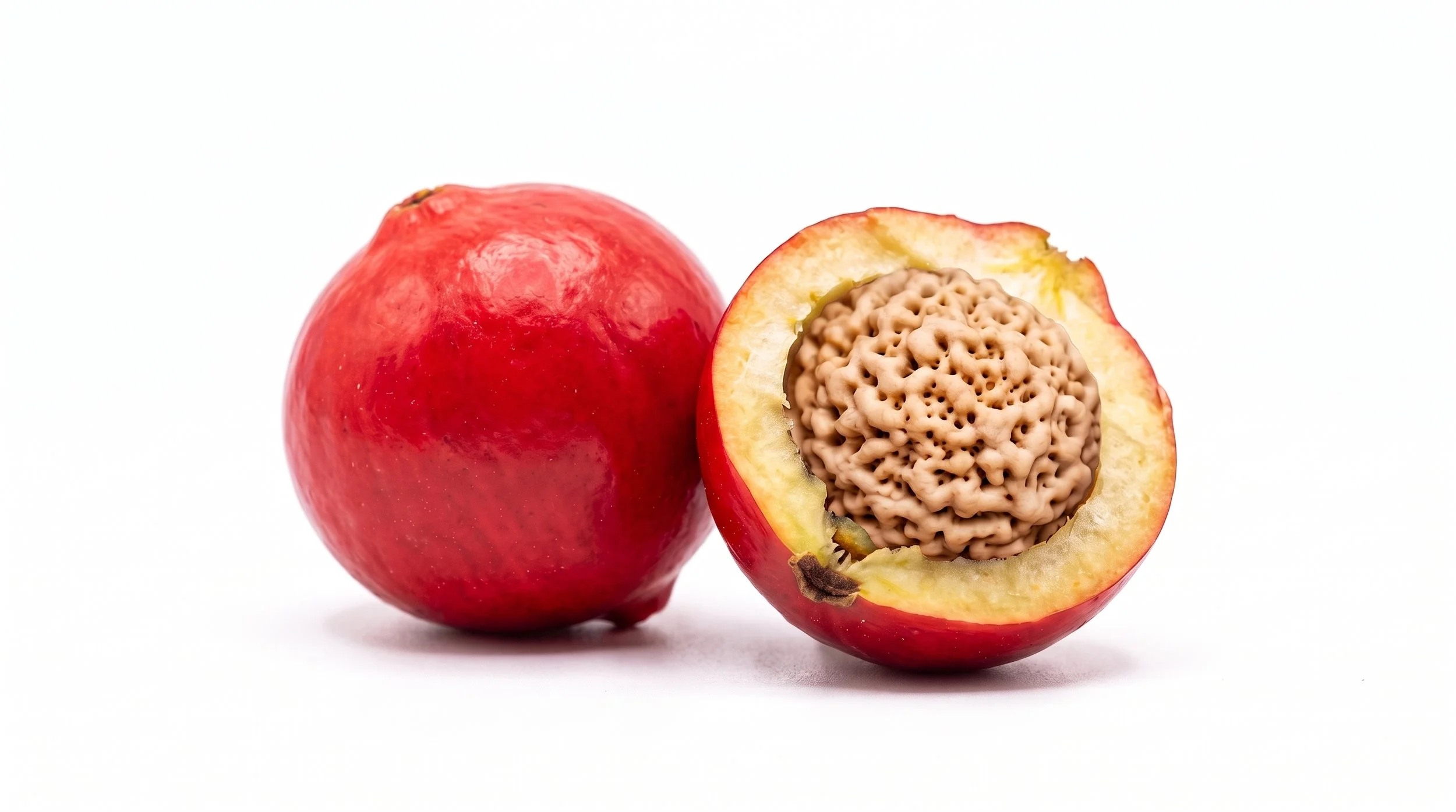
Quandong
Santalum acuminatum
Cultural information: Also known as desert peach or wild peach, quandong has been an important fruit for Aboriginal peoples across arid Australia, with the fresh fruit eaten on the spot and excess dried into cakes for later use. Bark and leaves held ceremonial and medicinal significance, and the wood was prized for carving coolamons and bowls.
Flavour profile: Tart and tangy, similar to a sour peach or apricot, with a hint of aniseed.
Traditional and contemporary uses: Traditionally eaten fresh or dried and reconstituted in water; the kernel was mainly used medicinally rather than eaten. Today the fruit appears in jams, chutneys, sauces, tarts and pies, dried fruit snacks, teas and even liqueurs, and pairs well with game meats.
Nutritional highlights: Notably high in vitamin C — around twice that of an orange by weight — plus antioxidants, dietary fibre and a low glycaemic index.
Explore more: Saltbush | Boab | Wattleseed | Sandalwood Nut
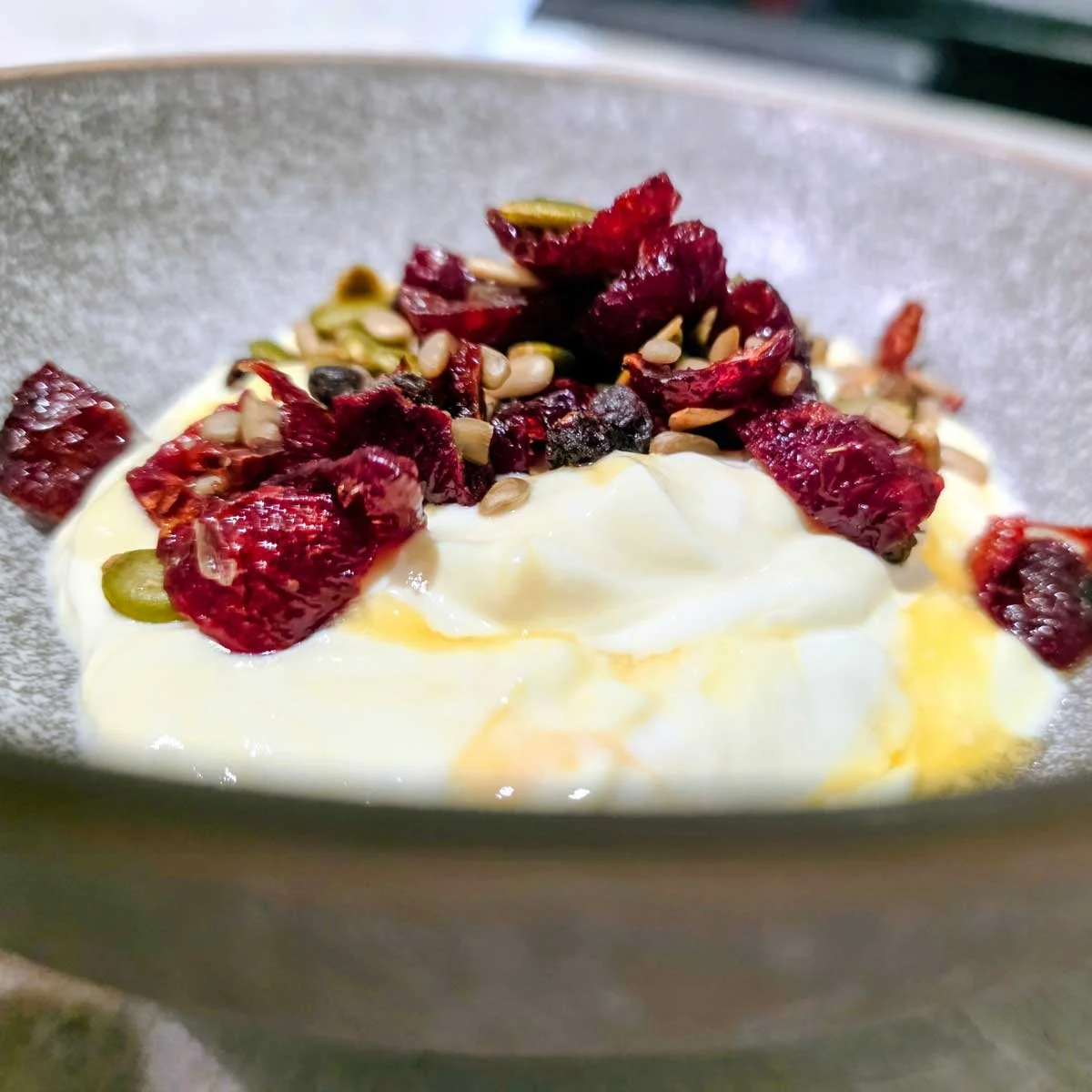
Quandong Trail Mix
A native-Australian trail mix pairing tart dried quandong and muntrie berries with toasted seeds — sweet-tart, crunchy, and versatile across sweet and savoury settings. Makes about 450g.
-
150 grams pumpkin seeds (pepitas)
100 grams sunflower seeds
1 teaspoons neutral oil
0.5 teaspoons sea salt
100 grams dried quandong, roughly chopped
100 grams dried muntrie berries
-
Reconstituting the quondong and berries: In 300mls orange juice 200gms of sugar. Bring to boil and add quandong berries. Simmer 5 minutes and then add muntrie berries and further simmer 2 minutes. Strain, cool and dehydrate
Toast the seeds: Toss the 150 grams pumpkin seeds (pepitas) and 100 grams sunflower seeds with the 1 teaspoons neutral oil and spread on a tray. Toast in a 160°C oven, or in a dry pan over medium heat, stirring often, until golden and fragrant.
Season and cool: While still warm, toss the toasted seeds with the 0.5 teaspoons sea salt. Set aside to cool completely — they'll lose their crunch if mixed with the fruit while warm.
Combine with dried fruit: Once the seeds are fully cool, combine with the 100 grams dried quandong, roughly chopped and 100 grams muntrie berries.
Store: Transfer to an airtight container.
-
Stirred through yoghurt.
Scattered over muesli.
As part of a cheese board.
Scattered over a warm roasted pumpkin salad.
Bar snack variant: add roasted, salted macadamia and a little crumbled toasted nori for a savoury, umami-forward version.
-
Store in an airtight container in a cool, dry place. If serving with muesli or yoghurt, keep the mix out of any moisture until just before serving so the seeds stay crisp.
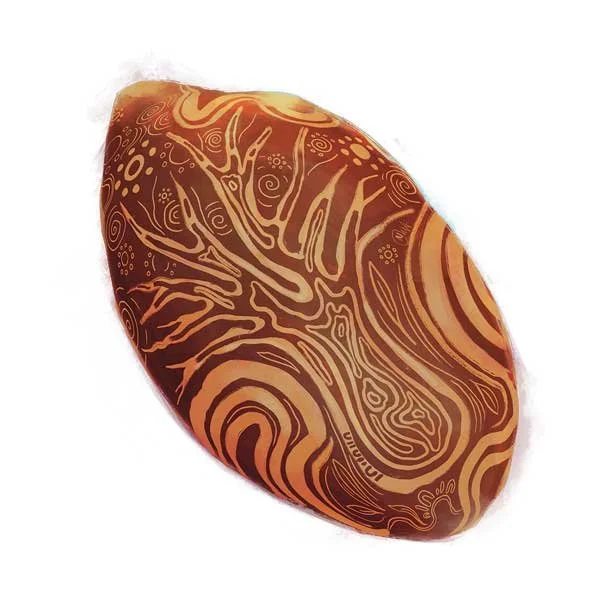
Boab
Adansonia gregorii
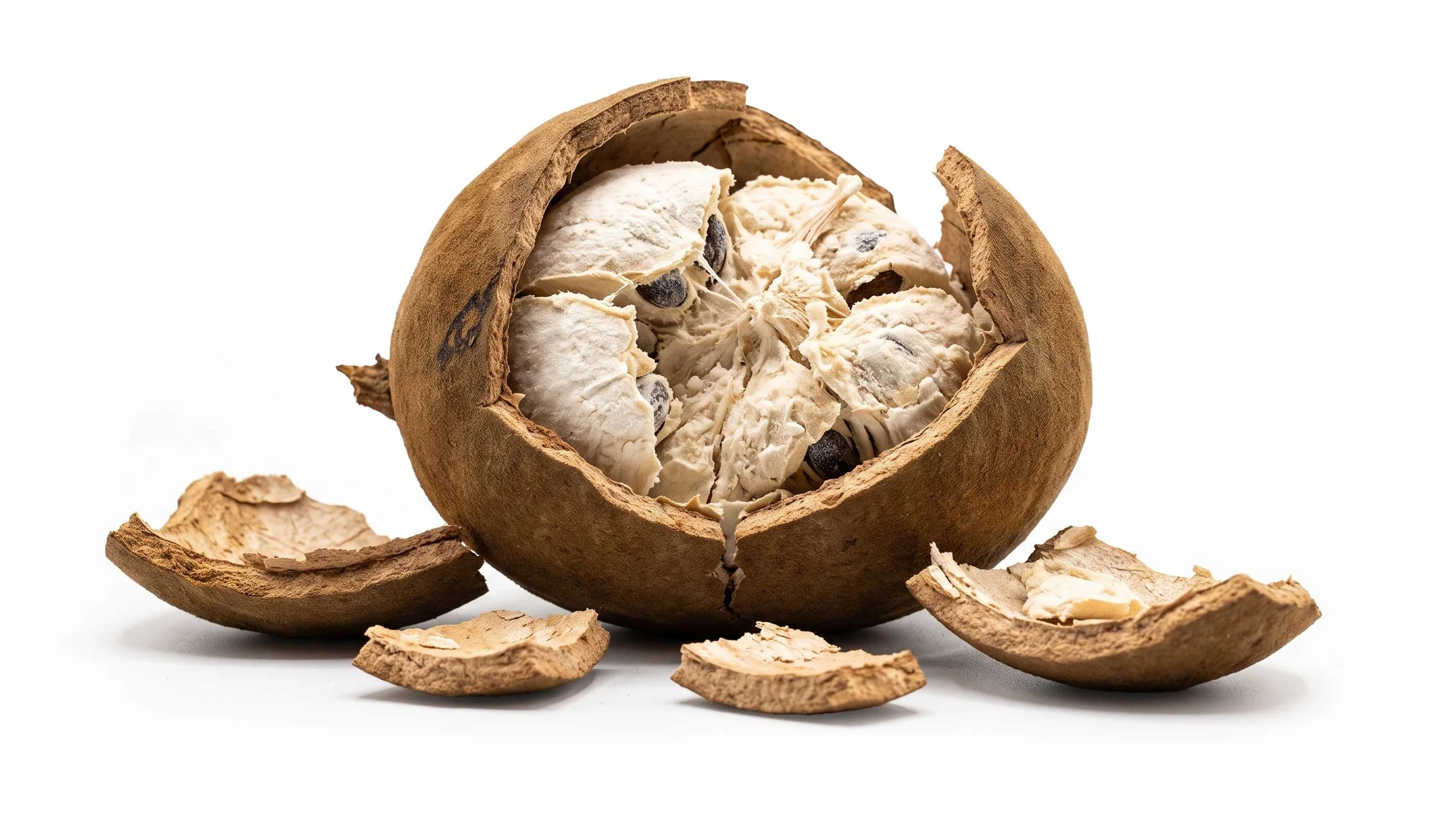
Cultural information: The boab, or Larrkardiy, is an iconic tree of the Kimberley region, found naturally nowhere else in Australia outside that region and a small area of the Northern Territory. Traditional custodians have used the tree for food, water, medicine and shelter for thousands of years, and boab nut carving remains a significant local art form.
Flavour profile: The chalky white pith inside the nut has a tangy, citrus, sherbet-like character with a lemon hit.
Traditional and contemporary uses: Traditionally crushed into water for a refreshing drink or used to thicken soup; sapling roots were also eaten for their crisp texture. Today the pith is sold as a powder used in smoothies, baking, iced tea, ginger beer and confectionery.
Nutritional highlights: Exceptionally high in vitamin C — reported at several times that of an orange — along with iron, zinc, potassium, calcium and dietary fibre.
Explore more: Saltbush | Quandong | Wattleseed | Sandalwood Nut
Boab Sherbet
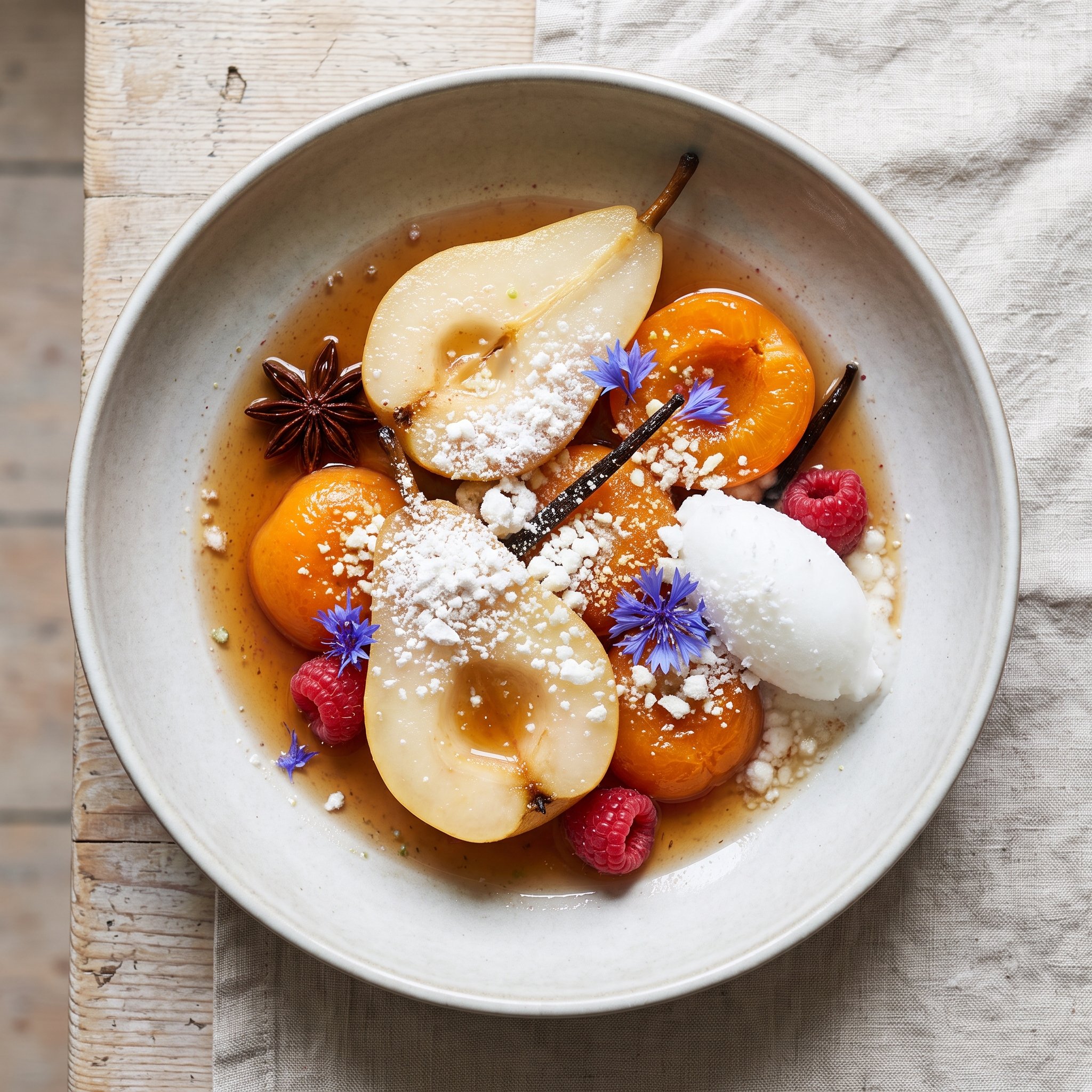
A native-Australian sherbet powder built around tangy boab pulp — the classic fizzy, tongue-tingling sherbet effect, with boab standing in for the usual plain citric tang. Makes about 350g.
-
100 grams boab powder
200 grams pure icing sugar, sifted
30 grams citric acid
20 grams bicarbonate of soda
-
Sift the boab powder: Sift the 100 grams boab powder to remove any lumps and set aside.
Combine dry ingredients: Sift the 200 grams pure icing sugar, sifted into a bowl, then add the 100grams boab powder, 30 grams citric acid and 20 grams bicarbonate of soda.
Mix thoroughly: Whisk everything together until fully even — any uneven pockets of bicarb or citric acid will throw off the balance of tang and fizz.
Store: Transfer to an airtight container. Keep somewhere cool and dry until ready to use.
-
Spooned over banana pudding.
Scattered over ice cream.
Sprinkled over poached fruit.
Wyldly Free - rim of the glass in sherbet for a native twist on a classic mocktail garnish.
Dusted over miso chocolate biscuits with dessert lime curd.
-
Store in an airtight container away from any moisture - both the icing sugar and citric acid will clump or trigger the fizzing reaction early if damp. Sift again before use if it's been sitting a while.
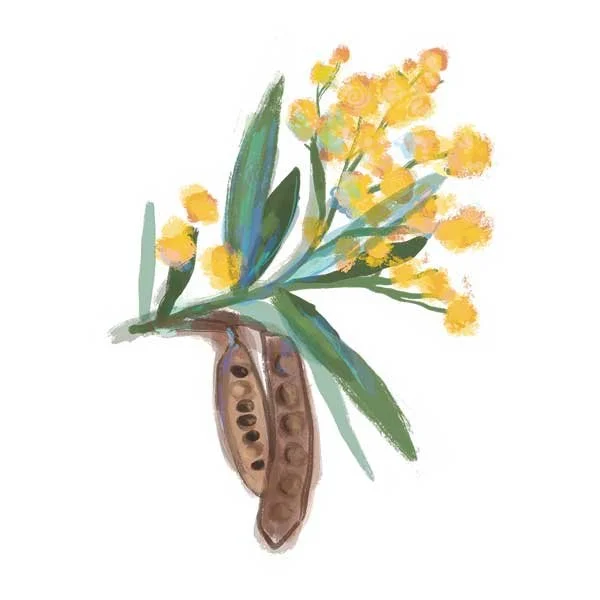
Wattleseed
Acacia victoriae and other edible Acacia species
Cultural information: Wattleseed has been a staple of Aboriginal diets for tens of thousands of years, ground into flour for damper and bush breads long before the wattle became Australia's floral emblem. Preparations from various acacia species were also used medicinally.
Flavour profile: Roasted wattleseed carries a rich, nutty character with notes of coffee, chocolate and hazelnut, and a biscuity sweetness — but no caffeine.
Traditional and contemporary uses: Traditionally ground into flour for damper, and sometimes eaten as green seeds baked in coals. Contemporary uses include a caffeine-free coffee alternative, flavouring for ice-cream, baked goods, chocolate, brownies and dukkah, and even espresso martinis.
Nutritional highlights: High in protein, carbohydrate and fibre, with good levels of potassium, calcium, iron and zinc. Its low glycaemic index makes it well suited to lower-GI food products.
Explore more: Saltbush | Quandong | Boab | Sandalwood Nut
Wattleseed Crème with Figs
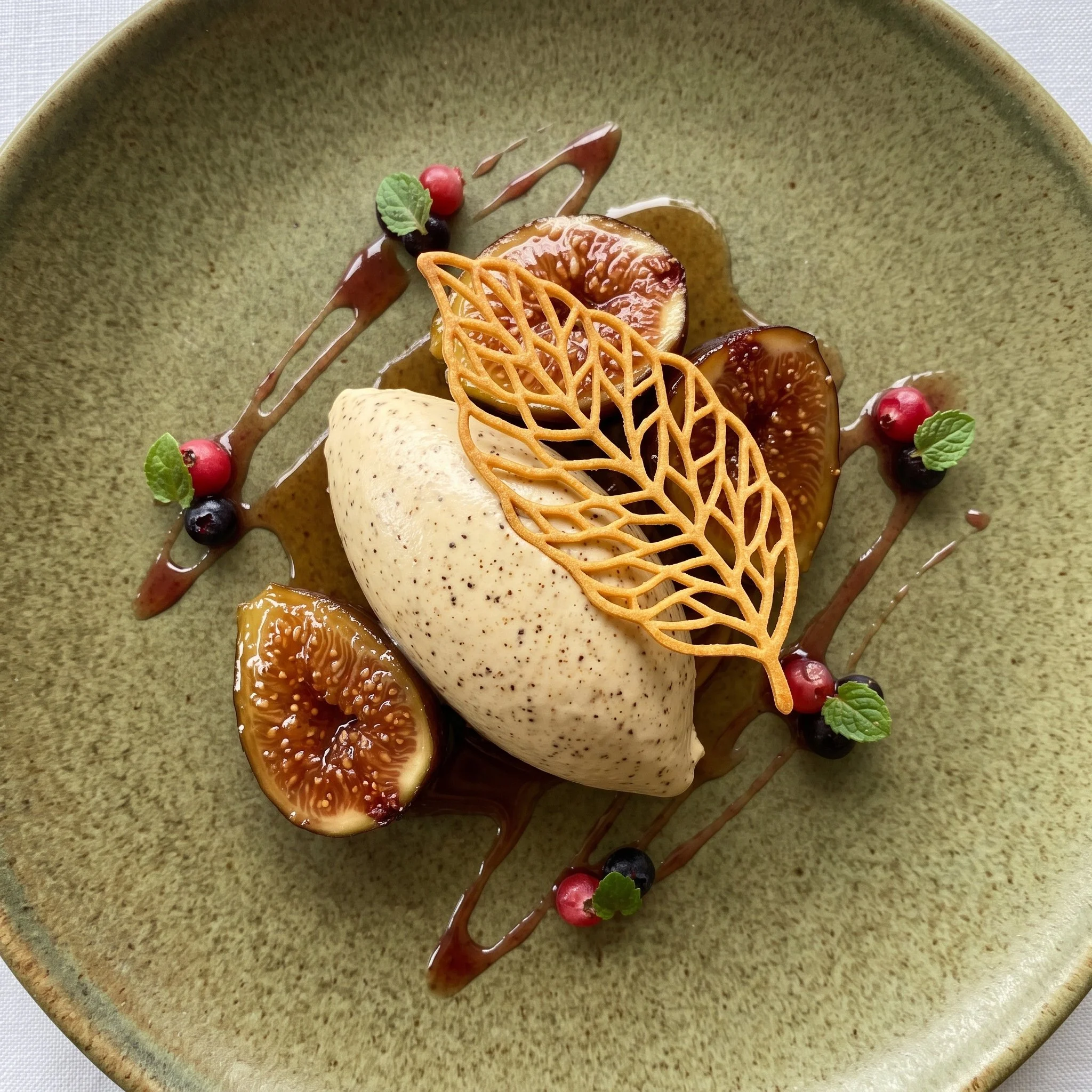
Macerated figs with a set wattleseed crème and a delicate leaf-shaped tuile — a native-Australian dessert with a modern pastry technique (carrageenan-set crème).
-
3 kilograms figs
200 grams sugar (for figs)
200 milliliters water
1 teaspoons fig gum powder
500 grams sugar (for crème)
3.5 grams iota carrageenan
2 grams kappa carrageenan
3 liters thickened cream
2 tablespoons ground wattleseed
100 grams icing sugar
100 grams plain flour
100 grams butter, melted and cooled
100 grams egg white (about 3 large eggs)
-
Make the fig gum syrup: Bring 200 grams sugar (for figs) and 200 milliliters water to the boil with the 1 teaspoons fig gum powder, stirring to dissolve.
Macerate the figs: Pour the hot syrup over the 3 kilograms figs and allow to macerate, chilled, until ready to serve.
Mix dry ingredients for the crème: Whisk together 500 grams sugar (for crème), 3.5 grams iota carrageenan and 2 grams kappa carrageenan in a bowl until evenly combined.
Boil the cream: Bring the 3 liters thickened cream to the boil in a pot while whisking continuously.
Add dry ingredients and wattleseed: Add the dry ingredients to the boiling cream and boil for 2 minutes. Take off the heat then strain.
Set the crème: Pour the strained mixture into a silicone mould. Leave on the bench to cool for 20 minutes, then move to the fridge — it will set quickly from there.
Make the tuile batter: Preheat the oven to 170°C. Whisk the 100 grams egg white (about 3 large eggs) with the 100 grams icing sugar until smooth, then gently stir in the sifted 100 grams plain flour and the cooled 100 grams butter, melted and cooled.
Chill the batter: Chill the tuile batter in the fridge for 30 minutes to stabilise.
Bake the tuile: Spread the batter thinly onto a silicone leaf mat tray and bake until golden, watching closely as tuiles colour quickly.
Assemble: Divide the macerated figs between coupes or bamboo boats, top with wattleseed crème, and finish with a tuile.
-
2 large bowls
Whisk
Spatula
Wooden spoon
Pot/pan
Tray
Oven access
Paper towel
Silicone leaf mat
Silicone mould
Serving plates/dishes and spoons.
Sandalwood Nut
Santalum spicatum
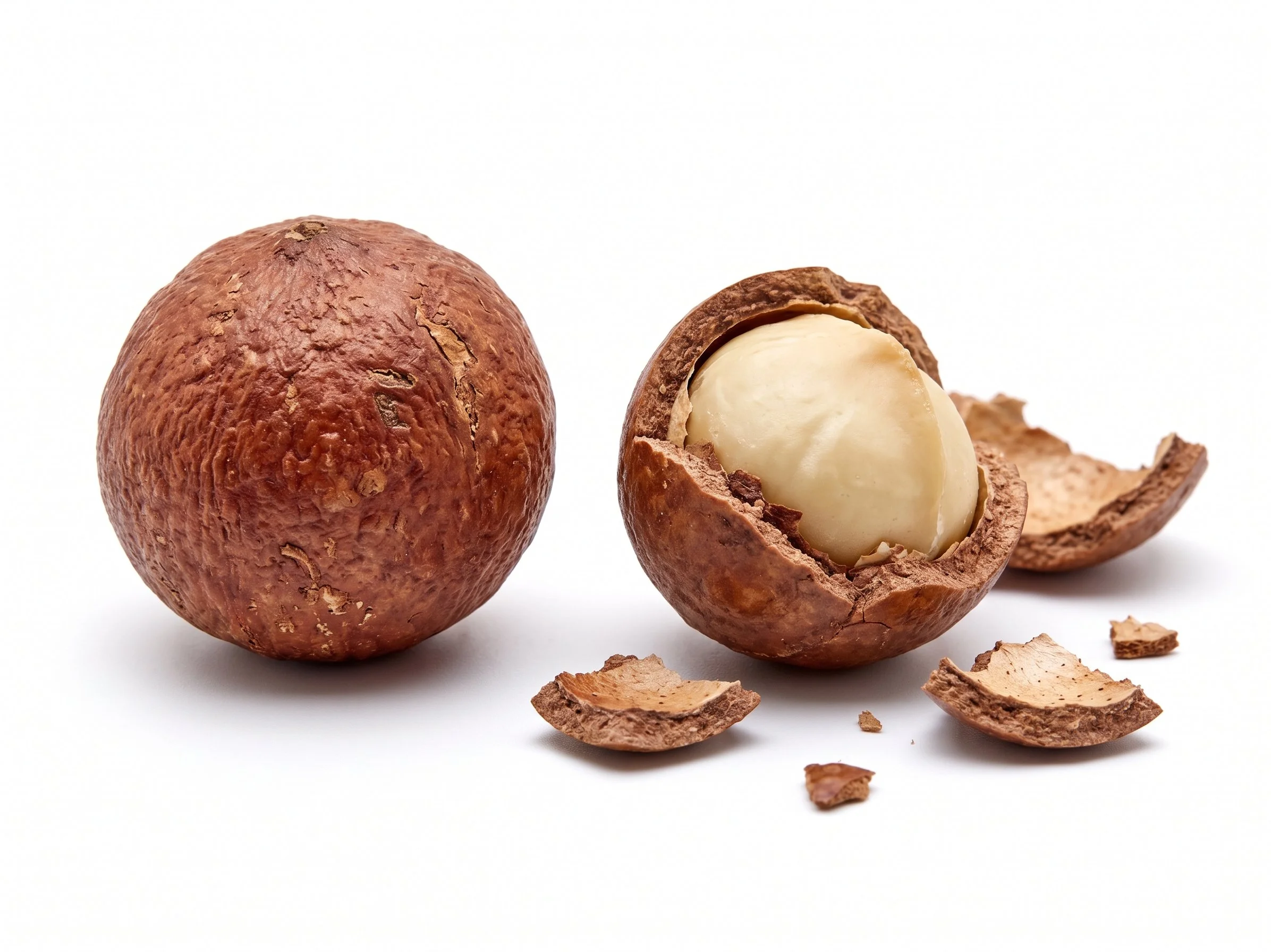
Cultural information: Native to the woodlands and shrublands of southern Western Australia and South Australia, sandalwood nuts have long been gathered by Aboriginal peoples as a food source, with the oil traditionally used as a liniment for body aches and inflammation.
Flavour profile: A creamy, delicate, nutty flavour and texture often compared to macadamia, hazelnut or almond.
Traditional and contemporary uses: Eaten raw, roasted or crushed traditionally and today; now used in praline, chocolate, baking and as a macadamia-style snack or garnish by chefs and chocolatiers.
Nutritional highlights: Roughly 17–20% protein (nearly double that of macadamia), high in dietary fibre, and rich in monounsaturated omega-9 fats — including ximenynic acid, a rare fatty acid valued for its anti-inflammatory properties.
Explore more: Saltbush | Quandong | Boab | Wattleseed
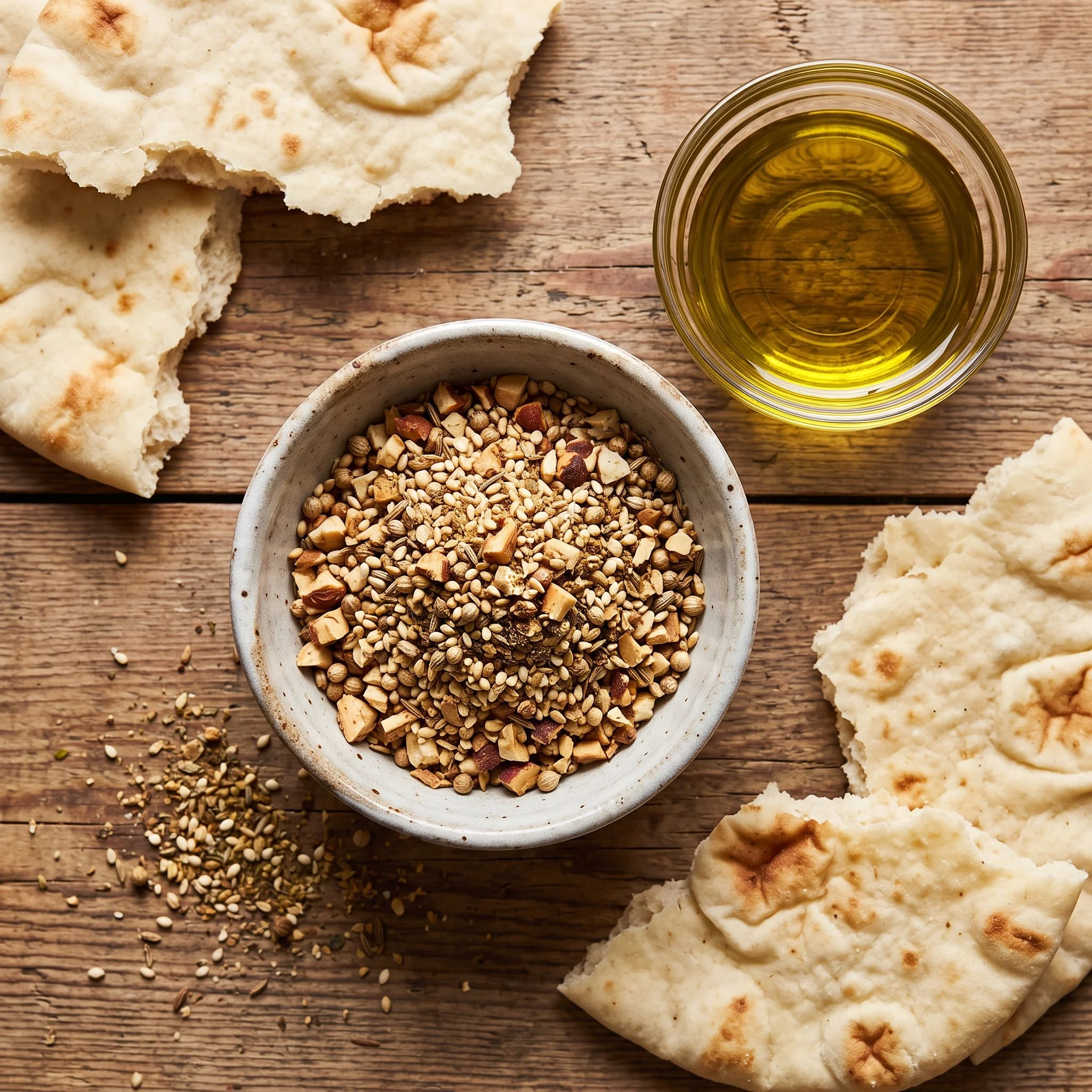
Sandalwood Dukkah
A native-Australian take on classic Egyptian dukkah, with toasted sandalwood nut standing in for the usual hazelnut or almond. Makes about 270g: a versatile pantry blend rather than a single-use recipe.
-
200 grams sandalwood nuts
60 grams sesame seeds
2 tablespoons coriander seeds
2 tablespoons cumin seeds
2 teaspoons sea salt flakes
0.5 teaspoons black pepper, freshly cracked
-
Toast the sandalwood nuts: In a dry pan over medium heat, toast the 200 grams sandalwood nutsuntil fragrant and lightly golden, tossing often so they don't catch. Tip onto a plate to cool.
Toast the sesame seeds: In the same dry pan, toast the 60 grams sesame seeds until golden, stirring constantly — they colour quickly. Tip onto a separate plate to cool.
Toast and grind the spices: Toast the 2 tablespoons coriander seeds and 2 tablespoons cumin seedstogether in the dry pan until fragrant and starting to pop, about 1–2 minutes 02:00. Cool, then grind coarsely in a mortar and pestle or spice grinder — you want texture, not a fine powder.
Crush the sandalwood nuts: Roughly crush or chop the cooled 200 grams sandalwood nuts — aim for a coarse, varied texture rather than uniform crumbs.
Combine: Combine the crushed sandalwood nuts, toasted sesame seeds, ground spices, 1 teaspoons sea salt flakes and 0.5 teaspoons black pepper, freshly cracked in a bowl and mix well. Taste and adjust salt if needed.
-
Flatbread & good olive oil — dip bread in oil, then into the dukkah, in the traditional style.
Stirred through hommus, topped with crushed bush tomato.
Pressed on as a crust for fish, chicken or lamb before pan-searing, grilling or roasting.
Scattered over roasted cauliflower.
Sprinkled over smashed avocado and a poached egg on ciabatta.
Store in an airtight container in a cool, dark place — it will keep for several weeks. Keep the nuts, seeds and spices toasted but not dark, or the dukkah will taste bitter.

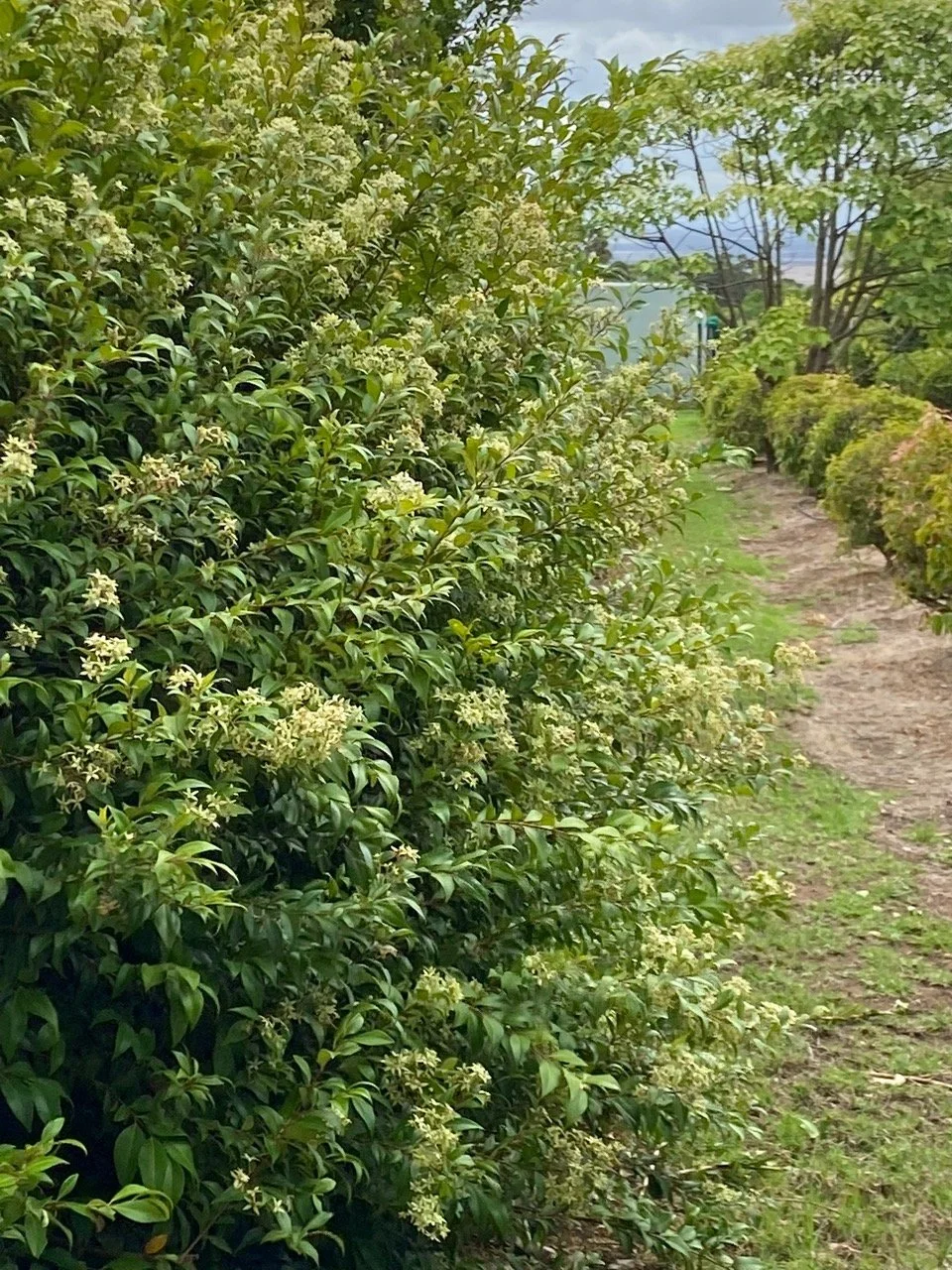
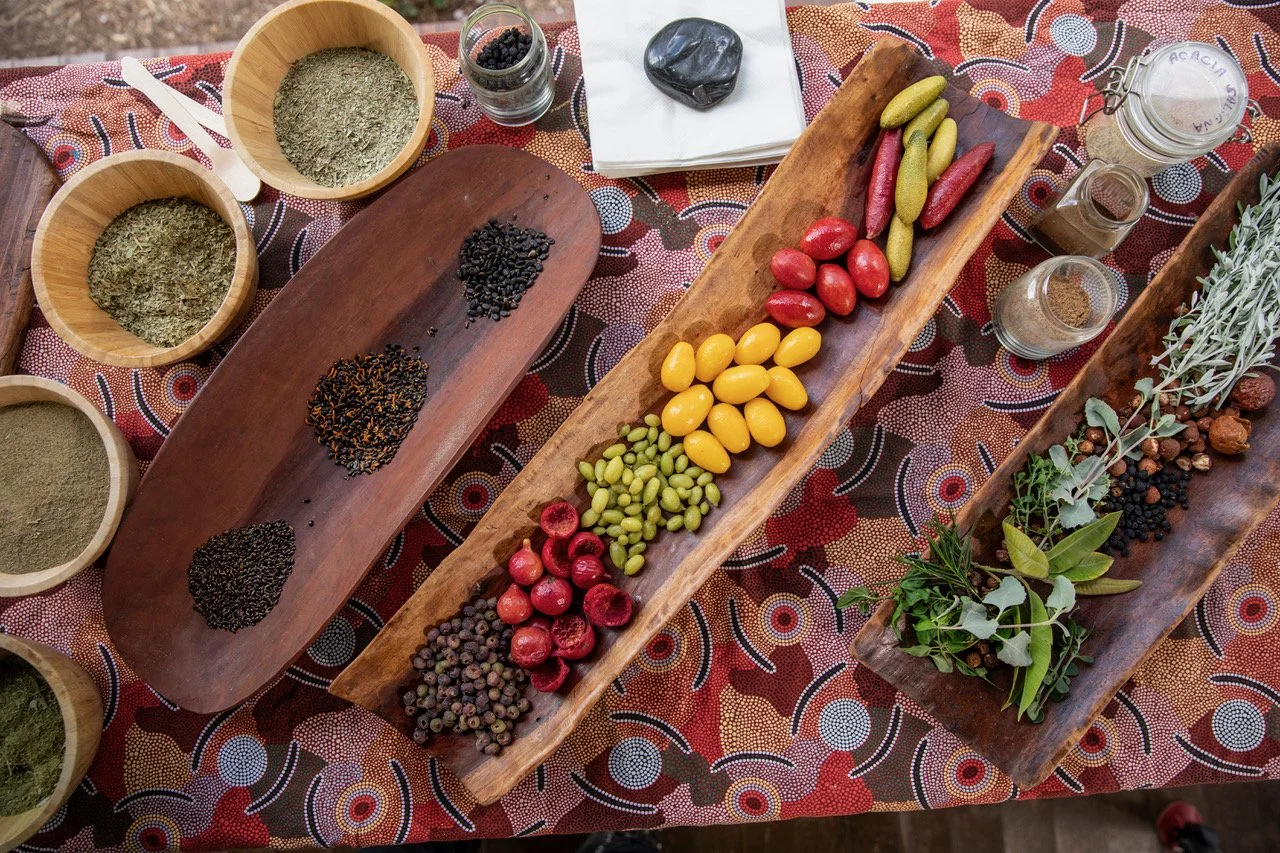
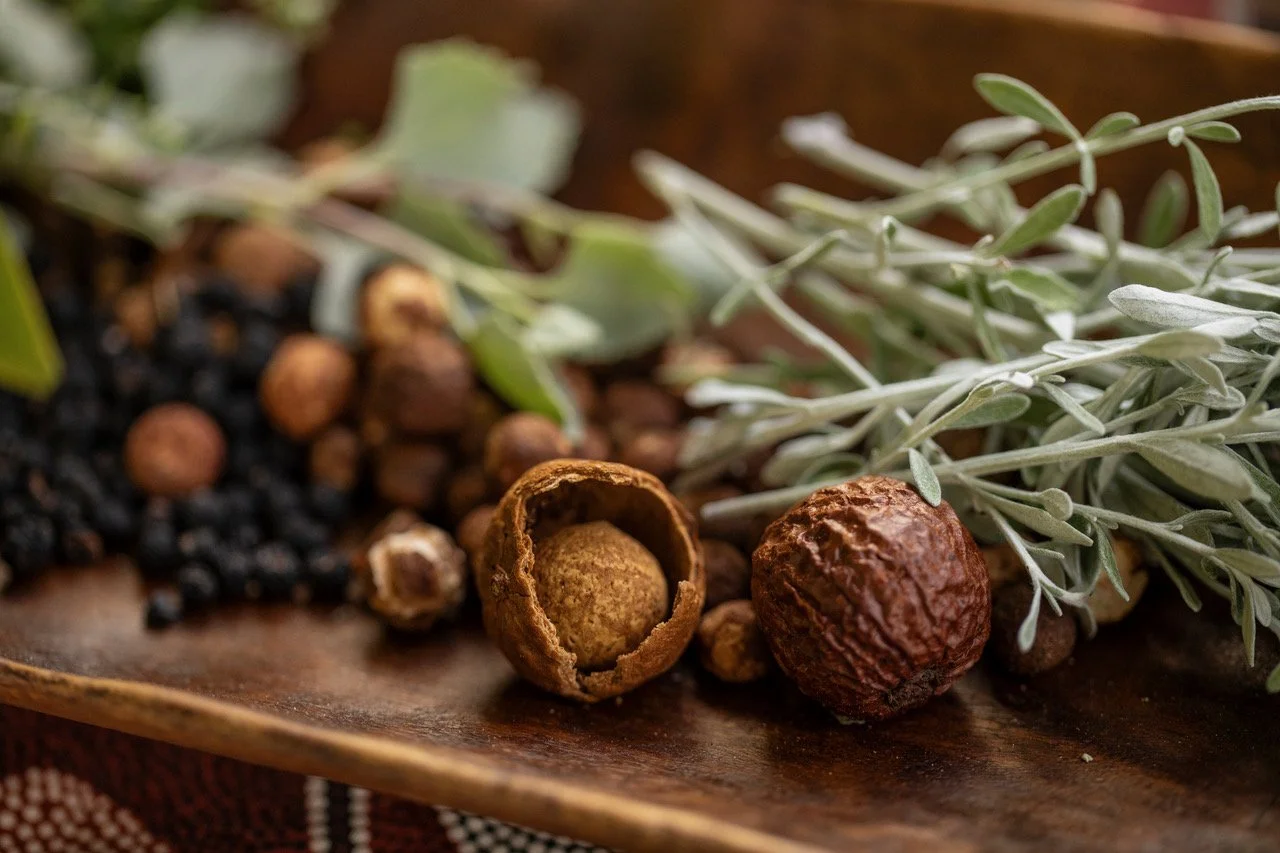
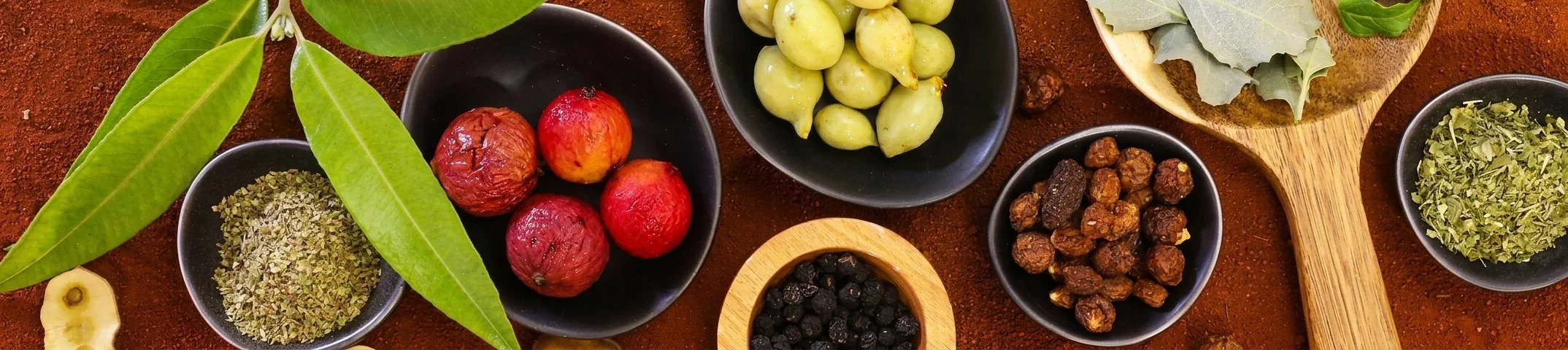
Bush foods gallery
A selection of images from Aunty Dale Tilbrook

Explore our 2026 journey
Our sponsors
The Terra Madre journey has been made possible through the generosity, vision and commitment of our partners and supporters.